
.jpg)
Pakistan-Türkiye relations are intrinsic and instrumental
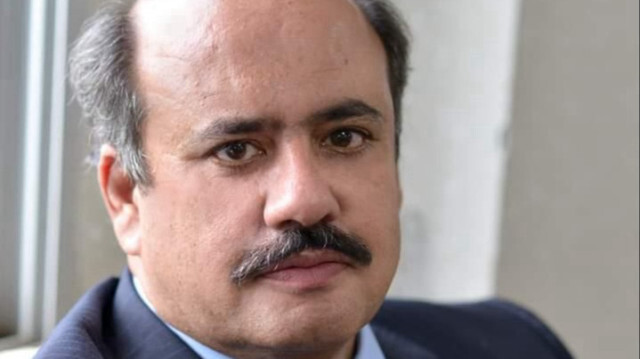
By Dr. Zafar Nawaz Jaspal Despite the titanic transformation in global geopolitics, relations between Pakistan and Turkiye are progressing positively. They support each other politically and diplomatically at the regional and international forums. Besides, Ankara and Islamabad have been striving to increase their defense and economic cooperation and deepen their cultural ties. The people of Pakistan are indebted to the Turkish leadership’s steadfast and unflinching support over the Kashmir dispute with India. On June 1, 2022, President Erdogan said: "We continue to support the efforts put forward to resolve the Kashmir issue ... in line with the legitimate expectations of our Kashmiri brothers and within the framework of the UN resolutions." Simultaneously, the people of Turkiye sincerely appreciate the Pakistani leadership’s persistent support over the Cypris dispute. The people’s relations have been older than the creation of modern Turkiye and Pakistan, which date back even much before the Khalifat Movement of the early twentieth century. As Khalifa of Islam, the Ottoman Sultan was the religious, political, and cultural symbol of universal Islamic unity for the Indian Muslims until 1924. From 1919 to 1922, the Khilafat Movement deepened the understanding of Turkiye among the Muslims of the Indian subcontinent. Hence, Pakistani cultural relations with Turkiye evolved on a solid conception of culture, where culture is closely tied to national history, language, and identity. Turkiye was one of the first states to officially recognize Pakistan when it was founded as an independent state on August 14, 1947. Quaid-i-Azam Mohammad Ali Jinnah himself received credentials from the first Turkish Ambassador, Yahya Kemal Beyatli, on March 4, 1948. Since then, cooperation between the two states has progressed in various areas, such as defense, trade, investment, education, communication, and culture. During the Cold War, Pakistan and Turkiye were together in the 1954 Baghdad Pact. After Iraq relinquished its membership in the Pact, the organization's name was changed to the Central Treaty Organization (CENTO) in 1959. However, CENTO increased physical contact, friendship, and mutual understanding between Pakistan and Turkey. The commonality in culture, religion, and geography resulted in the creation of the Regional Cooperation for Development (RCD) in July 1964, which evolved into the current Economic Cooperation Organization (ECO) in 1985. The RCD and ECO were established jointly by Pakistan, Turkiye, and Iran. After the demise of the former Soviet Union, the ECO was expanded to include Azerbaijan, Kazakhstan, Uzbekistan, Turkmenistan, Kyrgyzstan, Tajikistan, and Afghanistan. The organization's objective is "contributing to the development of the Member States, removal of trade barriers within the ECO region, and developing intra-regional trade and promoting the ECO region’s integration with global markets, strengthening cultural and historical ties among the Member States.” Pakistan and Turkiye agree that intraregional trade is vital for the entire region's economic progress and for mitigating the intensity of interstate conflicts. Therefore, both assign great importance to the activities of the ECO, which provides a platform to discuss ways to improve development and promote trade and investment opportunities. For More Details Click Here